-
 E-mail:
aceally4@aceallygroup.com
E-mail:
aceally4@aceallygroup.com
-
 Wechat: +8618350222213


-

-
Aceally Logistics StorageSaving your time, Creating fortune for you

-
 Time:7/17/2026
 -
 Time:7/15/2026
 -
-
-
 Time:5/22/2026

- CONTACT US
- Wechat: +8618350222213
- aceally4@aceallygroup.com
What is a collapsible wire mesh container used for?
 Time:10/29/2025
 208
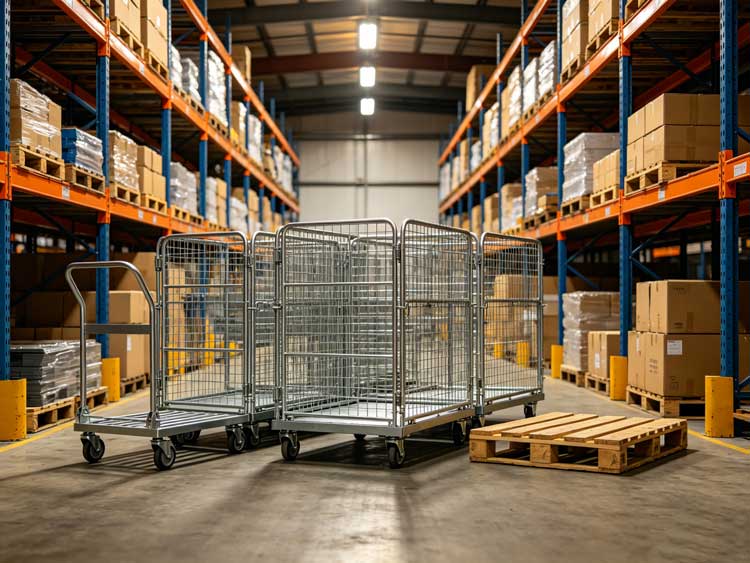
208A collapsible wire mesh container—also called a folding or stackable wire mesh cage—is a metal storage unit with sides and ends made of mesh panels that fold inward or collapse when not in use. Many warehouse and logistics managers ask: What is a collapsible wire mesh container used for? In this article, we explore the primary applications, advantages and best practices of these containers.
In warehouse and supply chain settings, understanding what a collapsible wire mesh container is used for helps you optimize storage density, handling efficiency, and material protection.
Core applications of collapsible wire mesh containers
❈ Bulk and parts storage in manufacturing
One of the most common uses of collapsible wire mesh containers is for holding bulk parts, components or raw materials in manufacturing operations. Their open mesh design allows visibility and airflow for internal parts, and the rigid frame supports moderate weight. Factories often adopt a collapsible wire mesh container for industrial logistics to manage inbound raw materials or in-process parts.
❈ Finished goods staging and transit
Manufacturers or distribution centers often stage finished goods in collapsible wire cages before shipping. Because the containers are collapsible, empty ones can be folded to save space during return trips or storage. This makes them ideal for lean logistics and multi-trip transport. The term collapsible pallet cage storage solution is often used by logistics planners looking for reusable, space-efficient containers.
❈ Intralogistics and warehouse handling
Within large warehouses, collapsible wire mesh containers are used for internal movement of goods between zones—receiving, picking, packing, and shipping. Because they are stackable and foldable, they optimize floor space. When empty, they take up much less room, thus improving the utilization of staging areas.
❈ Cross-docking and order consolidation
During cross-dock operations or order consolidation, crates or cartons are temporarily placed into collapsible wire mesh containers to collect products destined for the same outbound shipment. This reduces handling steps because crates can go directly from pick to outbound trucks.

Benefits and constraints of using collapsible wire mesh containers
❈ Space savings and return logistics
A key benefit is efficient return logistics: when empty, the container folds flat, reducing return volume and cutting transport cost. This is the strength of a folding wire mesh cage for warehouse use model. In operations with two-way container flow, this collapsibility is a competitive advantage.
❈ Visibility, ventilation and cleanliness
Mesh walls allow easy visual inspection of contents, good airflow, and prevent accumulation of moisture or dust inside. That helps in operations where parts must stay dry or clean. Also, spill visibility is improved, enabling quick cleanup.
❈ Durability, standardization, and reusability
Constructed from steel wire or welded mesh, these cages are durable and suitable for repeated handling with forklifts. Because they are standardized, they integrate well with pallet racking, conveyors, and automated systems.
❈ Load limitations and safety
Although robust, collapsible wire mesh containers have weight limits. Overloading or mis-handling (such as dropping or side impacts) can deform the frame or mesh. Also, empty folding/unfolding must be done carefully to avoid injury or damage.
❈ Cost and return on investment
The upfront cost of a collapsible mesh container is higher than simple plastic bins, but the ROI comes through reuse, space savings, and reduced damage. For companies with high throughput, the investment often pays off over time.
How to select and use collapsible wire mesh containers effectively
❈ Choose correct size and load rating
Select a container whose base area, height and weight capacity match your application demands. Ensure safety margin. Match load rating to the heaviest load you expect.
❈ Material and coating considerations
Many containers come in painted, powder-coated or galvanized finish to resist corrosion. In humid or outdoor settings, galvanizing is preferable.
❈ Folding/stacking mechanisms
Inspect hinge design and locking mechanisms to ensure reliable collapsing and re-expansion. Poor mechanism design can lead to misalignment or safety hazards.
❈ Integration with racking and handling systems
If you intend to place containers onto pallet racks or conveyors, ensure their base footprint aligns and that container frames can endure handling forces. Many logistics planners refer to collapsible wire mesh container for industrial logistics guidelines when integrating with automated systems.
❈ Maintenance, inspection and lifecycle
Regularly check welds, mesh wires, hinge joints and locks. Repair or retire units showing damage. Keep a rotation schedule so wear is spread evenly. A maintenance plan helps prolong life and reduce total cost per use.
❈ Operational training and safety protocols
Train staff in safe folding/unfolding, stacking, and correct forklift handling. Because containers collapse, mishandling can pinch hands or distort structure. Emphasize safe operation in standard operating procedures.
Conclusion
So, what is a collapsible wire mesh container used for? In practice, these containers serve many roles in manufacturing, warehousing, distribution, order consolidation, and transit, especially where return logistics and space optimization matter. They provide visible, ventilated, reusable storage that folds when empty.
If your operation frequently ships empty containers back, or needs flexible in-plant handling of mixed goods, adopting collapsible wire cages is a strategic choice. In designing a system, pay attention to collapsible pallet cage storage solution, collapsible wire mesh container for industrial logistics, and folding wire mesh cage for warehouse use to guide your specifications and integration plans.
If you’d like to discuss selecting the right mesh container size, coating, load rating or automation integration for your facility, our team is ready to assist.