-
 E-mail:
aceally4@aceallygroup.com
E-mail:
aceally4@aceallygroup.com
-
 Wechat: +8618350222213


-

-
Aceally Logistics StorageSaving your time, Creating fortune for you

-
 Time:9/29/2026
 -
 Time:7/17/2026
 -
 Time:7/15/2026
 -
-

- CONTACT US
- Wechat: +8618350222213
- aceally4@aceallygroup.com
What Is a Stillage Cage Used For
 Time:9/29/2026
 14
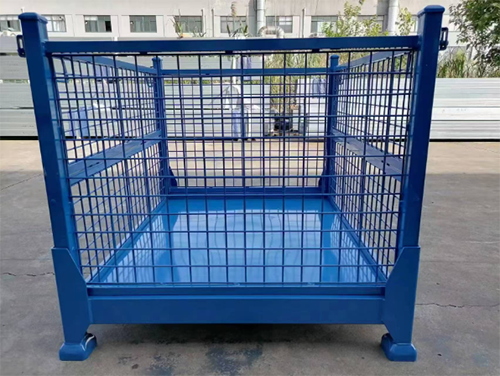
14A stillage cage is a reusable steel storage and handling unit used in warehouses, manufacturing facilities, and logistics operations. It is particularly useful for materials that are heavy, irregularly shaped, loose, or difficult to manage on a standard pallet.
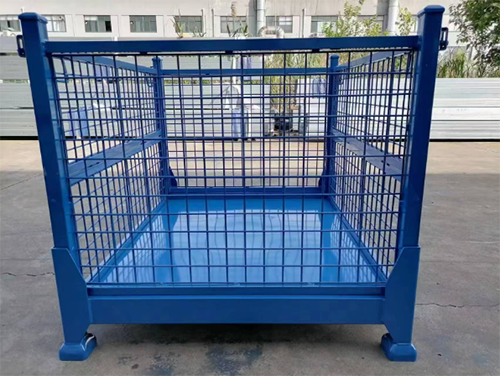
What Is a Stillage Cage Used For?
Stillage cages are mainly used to store, handle, and move materials as a single unit. Common applications include:
Warehouse Storage
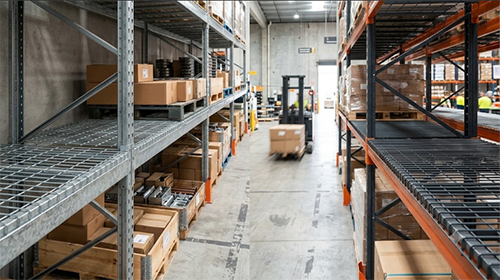
Stillage cages provide a defined storage area for heavy components, industrial parts, loose materials, and products that are not well suited to conventional pallets.
Stackable designs can also make use of vertical warehouse space. However, the permitted stacking height and load should always follow the manufacturer's specifications.
Manufacturing
In manufacturing facilities, stillage cages can be used to hold raw materials, components, work-in-process items, and finished products.
They can also simplify movement between production, inspection, assembly, and storage areas. Instead of repeatedly loading and unloading individual items, a forklift can move the loaded cage as one handling unit.
Material Handling
A stillage cage can combine storage and material handling in one reusable unit. This is useful when materials need to be moved frequently within a warehouse or production facility.
The enclosed or framed structure can also help keep grouped materials together during handling, particularly when the contents are loose or irregular.
Logistics and Distribution
Stillage cages can be used for temporary storage, internal transportation, loading, and unloading. Businesses that regularly move similar products between warehouses or different operating areas can use standardized cages to make material handling more consistent.
Why Use a Stillage Cage?
The main advantage of a stillage cage is that it provides both storage and handling functionality in one unit.
Depending on the application, stillage cages can offer:
- Better material organization by keeping products together
- Stackable storage for better use of available vertical space
- Forklift handling for moving loaded units efficiently
- Reusable construction for repeated warehouse and logistics operations
- Flexible configurations for different material types and handling requirements
These benefits make stillage cages particularly useful where materials need to be stored and moved repeatedly rather than placed in a fixed storage location.
How to Choose a Stillage Cage
The right stillage cage depends on the material being stored and how the cage will be handled.
Load capacity: The cage should be designed for the weight and distribution of the intended load.
Dimensions: Choose dimensions based on the size of the products and the available storage and handling space.
Stacking requirements: If loaded cages will be stacked, check the manufacturer's specified stacking configuration and capacity.
Forklift access: The cage should be compatible with the forklifts or other handling equipment used at the facility.
Construction and finish: Steel mesh, solid panels, surface treatments, and other configurations can be selected according to the application and operating environment.
For specialized applications, custom dimensions or structural configurations may be more practical than a standard stillage cage.
Stillage Cage vs Pallet
Both stillage cages and pallets are reusable material handling units, but their structures make them suitable for different applications.
| Feature | Stillage Cage | Pallet |
|---|---|---|
| Side containment | Yes | Usually open |
| Loose or irregular materials | Suitable for many applications | More limited |
| Forklift handling | Yes | Yes |
| Stackable design | Available | Depends on pallet and load |
| Reusable | Yes | Yes |
A pallet is often suitable for stable, palletized goods, while a stillage cage provides additional containment for materials that need more support during storage and handling.
When Should You Use a Stillage Cage?
A stillage cage can be a practical choice when materials need to be stored, contained, moved, and potentially stacked as a single reusable unit.
It is particularly suitable for warehouses and manufacturing operations handling heavy components, irregular products, loose materials, or goods that are frequently moved by forklift.
For applications with specific load, dimensions, stacking, or handling requirements, a stillage cage can also be manufactured to suit the material and the way it will be used.