-
 E-mail:
aceally4@aceallygroup.com
E-mail:
aceally4@aceallygroup.com
-
 Wechat: +8618350222213


-

-
Aceally Logistics StorageSaving your time, Creating fortune for you

-
 Time:7/17/2026
 -
 Time:7/15/2026
 -
-
-
 Time:5/22/2026

- CONTACT US
- Wechat: +8618350222213
- aceally4@aceallygroup.com
Is it necessary to use wire mesh decking with warehouse pallet racks?
 Time:10/28/2025
 192
192When you install a warehouse pallet racking system in your warehouse, one frequent question is: Is it necessary to use wire mesh decking with warehouse pallet racks? Many facility managers weigh the cost, safety, and storage flexibility before deciding whether to include mesh decking panels. In this blog post, we explore the key factors that influence whether wire mesh decking is required—covering safety, fire-sprinkler compatibility, load types, and installation tips. We also refer to the longer tail term wire mesh decking for pallet rack systems to help you understand how this component integrates into your storage infrastructure.
What is wire mesh decking, and how does it integrate with warehouse pallet racks?
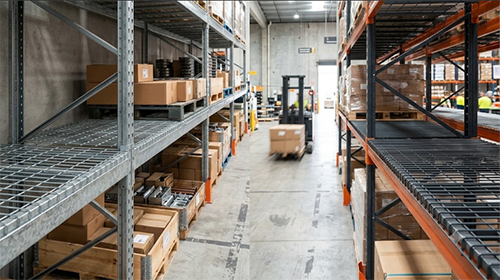
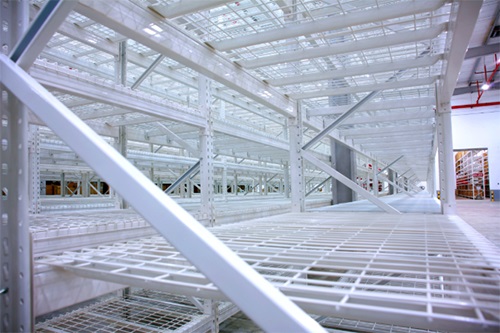
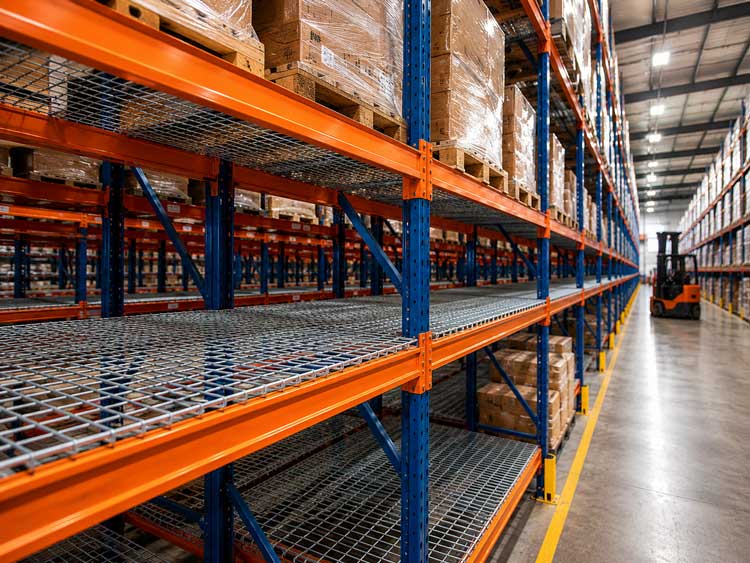
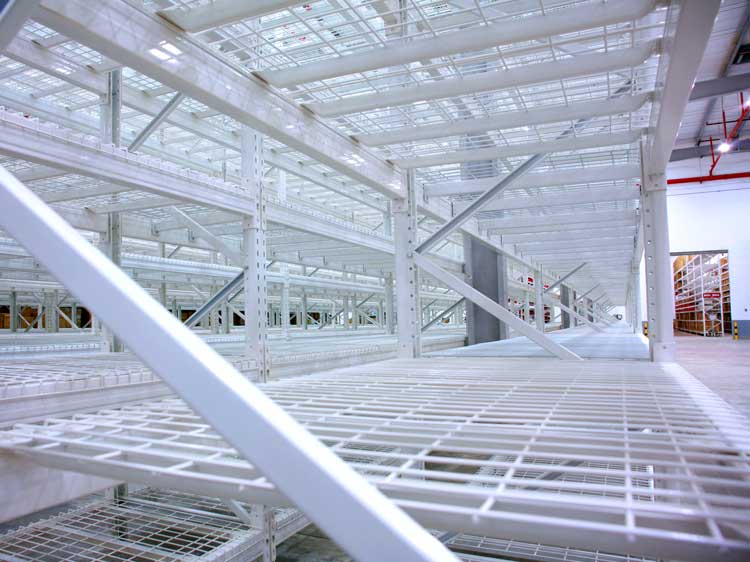
Wire mesh decking (sometimes called mesh or steel grid mesh decking) is a panel placed between the horizontal beams of a racking bay, creating a continuous surface on which pallets or cases can rest. When you consider the pallet rack safety wire mesh decking installation guide, you will find that proper support spacing, correct panel dimensions and secure beam seating are critical.
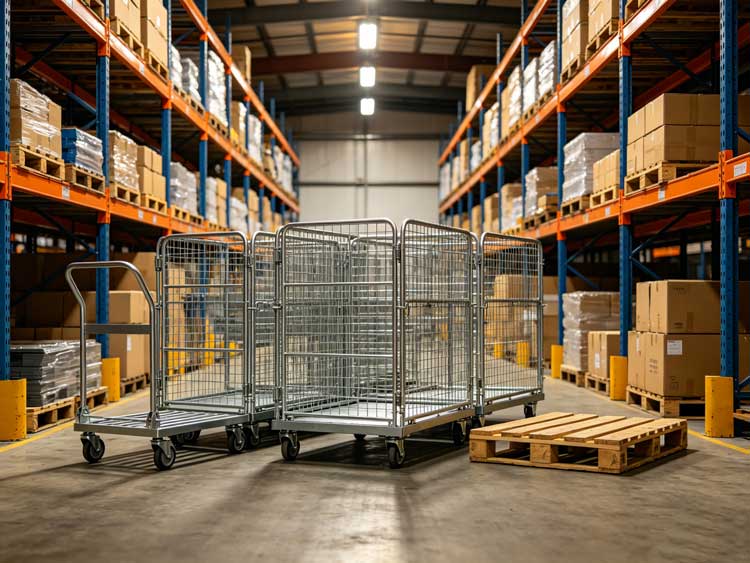
In many storage operations, choosing a case flow pallet racking wire mesh decking solution becomes relevant when you store smaller cases or bins rather than full pallets. The mesh design allows light, air and sprinkler spray to pass through, and gives you a stable platform for mixed load types in a system originally designed for bulk pallet storage.
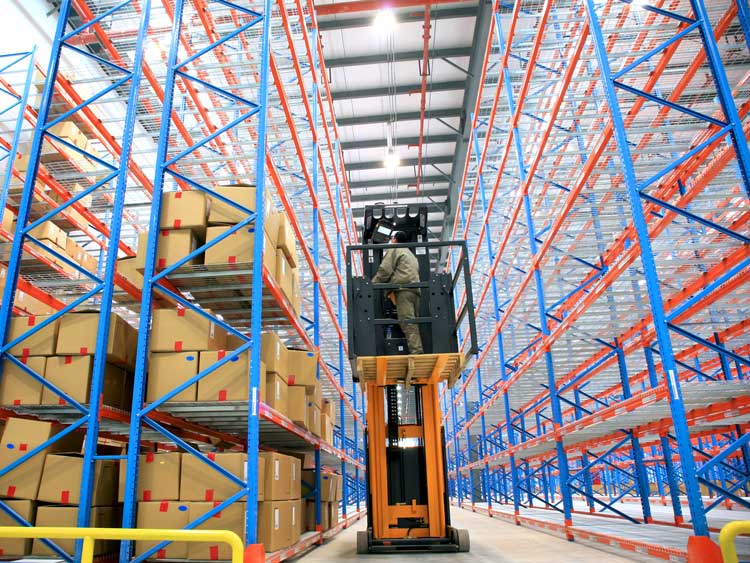
Benefits of using wire mesh decking with warehouse pallet racking
❈ Enhanced safety and prevention of falling objects
One major benefit of installing wire mesh decking is significantly reducing the risk of items falling through the pallet rack beams. Without decking, loose cartons, shrink-wrapped loads, or odd-sized pallets may sag or collapse between beams. By using proper decking panels, you mitigate that risk and support the concept of pallet rack safety wire mesh decking installation guide.
In warehouses with overhead fire suppression, an open mesh decking panel allows water to travel through the rack levels—keeping the system effective. Solid boards or closely spaced slats may block sprinkler flow. Using mesh supports compliance and ensures that the rack bay doesn't interfere with fire protection performance.
If your warehouse will store a variety of items—pallets, cartons, drums or bins—then implementing a wire mesh decking for warehouse pallet rack systems gives you more flexibility. You can change load types without adding new support systems. Mesh decking enables you to adapt to evolving storage needs with minimal structural changes.
When might wire mesh decking not be strictly necessary?
If your operation only stores standard pallets that fully span between beams, and you have no loose or undersized items, then decking may be optional. The racking beams themselves may provide the required support.
From a cost-perspective, omitting decking reduces material and installation cost. In low-risk operations with rigid pallets, predictable loads and no fire-sprinkler concerns, skipping mesh decking might be justified.
When you add wire mesh decking, you must consider its load rating and how it affects beam capacity. If your racking system was rated without decking, adding mesh panels might require re-evaluation of the capacity. It's key to determine if the case flow pallet racking wire mesh decking solution you plan fits within the original rating or demands adjustment.
How to decide whether you need wire mesh decking — a checklist
Here is a practical checklist to help determine if you should include mesh decking in your warehouse pallet racking system:
What types of items will you store? If you store cartons, drums, or irregular loads, mesh decking is beneficial.
Do you have overhead fire-sprinkler systems? If yes, mesh helps maintain clear spray patterns.
Are there items that might fall through the racking beams without proper support? If yes, use decking.
Is your budget constrained and are your loads uniform? If yes, you might assess skipping decking.
Will adding mesh affect your load capacity or require re-certification of beams? Check with your rack manufacturer.
Do you foresee future changes in storage type requiring flexibility? If yes, installing mesh now may save cost long-term.
If you answer “yes” to three or more of the first four questions, then using wire mesh decking with warehouse pallet racking is likely the right choice.
Best practices for installation and maintenance
Use decking panels that match the beam width and depth. Ensure panels are flush and properly seated. Follow warehouse pallet rack safety wire mesh decking installation guide standards—secure panels so they don’t shift when loads are placed or removed.
Regularly inspect panels for damage, bending, corrosion or missing welds. A damaged panel could compromise load support or safety. Ensure mesh remains clear of debris that could block fire-sprinkler flow.
Label each decking panel with its load rating and ensure warehouse staff are trained on safe use. When you specify a wire mesh decking for warehouse pallet rack systems, maintain documentation so you comply with insurance or safety audits.
Conclusion
So, is it necessary to use wire mesh decking with pallet racking? The answer: it depends on your storage environment. For warehouses that store full pallets of uniform size, with no fire-sprinkler constraints and predictable loads, you might omit mesh decking. But for operations with mixed loads, loose cases, fire safety requirements or future flexibility needs, installing mesh decking is strongly advisable. By following the checklist and best practices above—using terms like wire mesh decking for warehouse pallet rack systems, pallet rack safety wire mesh decking installation guide and case flow pallet racking wire mesh decking solution—you can make a well-informed decision that supports both safety and efficiency.
If you’d like to discuss your specific rack configuration, load types or installation requirements, feel free to contact our team for tailored advice.