-
 E-mail:
aceally4@aceallygroup.com
E-mail:
aceally4@aceallygroup.com
-
 Wechat: +8618350222213


-

-
Aceally Logistics StorageSaving your time, Creating fortune for you

-
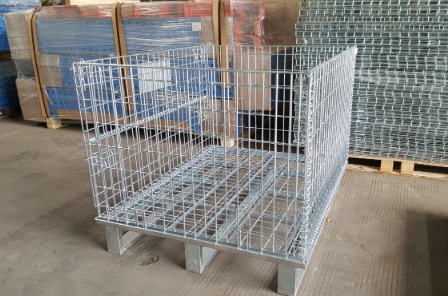 Time:10/14/2026
 -
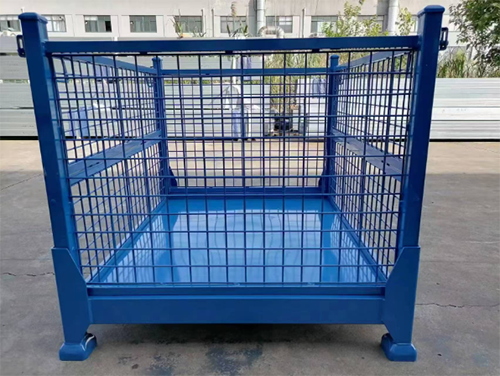 Time:9/29/2026
 -
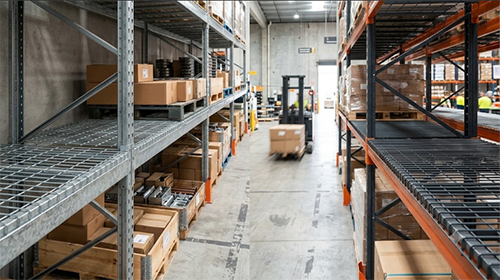 Time:7/17/2026
 -
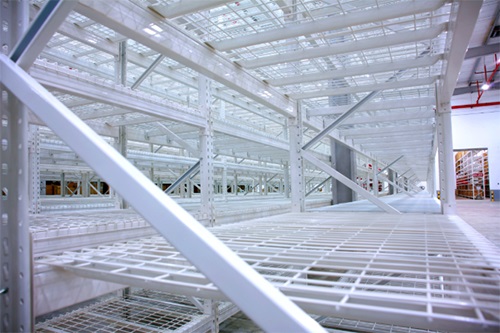 Time:7/15/2026
 -

- CONTACT US
- Wechat: +8618350222213
- aceally4@aceallygroup.com
Safety and Applications for Roll Container
 Time:4/7/2026
 210
210In my daily work with warehouses, retail stores, and logistics operations, I often see how a simple piece of equipment can make a major difference. One of the most practical tools I’ve worked with is the roll container. It may look like just a wheeled cage, but in reality, it plays a critical role in safety, efficiency, and cost control.
In this article, I want to share my perspective on the safety aspects and practical applications of roll containers, based on real operational needs. I’ll explain what they are, how I see them used, and what I pay attention to when it comes to safety.
What Is a Roll Container?
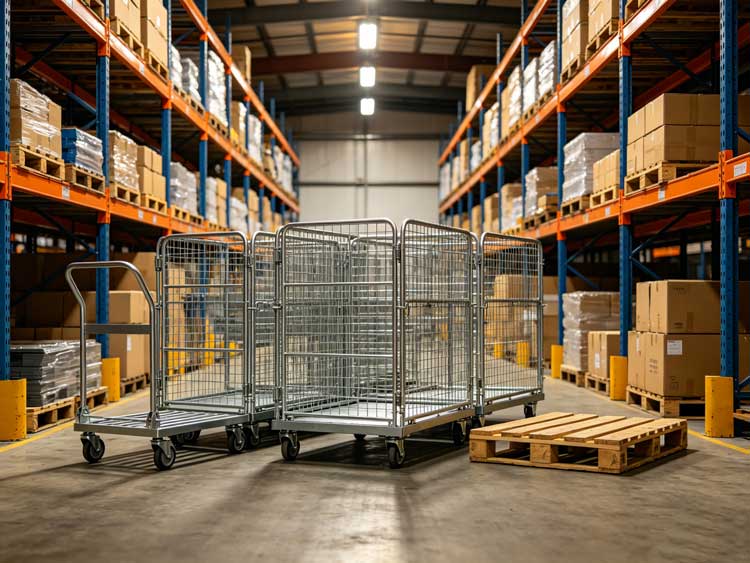
A roll container is a mobile storage and transport unit typically made of steel tubing and wire mesh panels. It usually has two, three, or four sides, plus a wheeled base. Some models are foldable or nestable, which helps save space when not in use.
I see roll containers used as a bridge between storage and transport. They are commonly found in:
- Warehouses
- Supermarkets
- Distribution centers
- E-commerce fulfillment facilities
- Laundry and hospitality operations
- Manufacturing plants
They are designed to move goods safely and efficiently from one point to another without constant manual handling.
Why Safety Matters with Roll Containers
When I evaluate equipment for clients, safety is always my first priority. A roll container carries goods that may be heavy, unstable, or fragile.
Key safety focus areas:
- Structural strength
- Load stability
- Wheel quality
- Ergonomic handling
- Operational training
Structural Strength and Load Capacity
Overloading is one of the most common warehouse mistakes.
- Frame bending risk
- Weld failure
- Wheel damage
- Tipping risk
Always choose a higher safe working load than daily usage.
Load Stability and Secure Handling
Instability usually comes from poor loading habits.
- Heavy items must go at the bottom
- Weight must be evenly distributed
- No overhanging loads
- Use straps or wrapping when needed
Four-sided roll containers provide better containment and safety.
Wheel Quality and Mobility Safety
Wheels directly impact safety and control.
- Diameter affects smooth movement
- Material affects noise and grip
- Brakes prevent uncontrolled rolling
At least two braked casters are strongly recommended for ramps or slopes.
Ergonomics and Worker Safety
- Push instead of pull when possible
- Avoid fast sharp turns
- Keep both hands on frame
- Ensure clear pathways
Good design reduces back and shoulder strain significantly.
Operational Training
- Do not overload units
- No riding on containers
- Remove damaged units immediately
- Use designated parking zones
- Lock wheels when stationary
Applications of Roll Containers
Warehouses & Distribution
- Order picking
- Cross-docking
- Staging operations
Retail Stores
- Backroom replenishment
- Seasonal stocking
Hospitality & Laundry
- Textile transport
- Clean/dirty separation
Manufacturing
- WIP transport
- Component flow
E-commerce
- Batch picking
- Parcel staging
Maintenance and Safety
- Inspect welds regularly
- Check wheel wear
- Tighten bolts
- Check frame deformation
Damaged units should be removed immediately to prevent accidents.
In Summary
Roll containers are highly versatile logistics tools that significantly improve efficiency and safety when used correctly.
- Proper design selection
- Correct load handling
- High-quality wheels
- Operator training
- Regular inspection
When these elements are in place, roll containers become reliable and safe logistics assets rather than simple transport tools.
Strong operational safety and efficiency depend on both equipment quality and correct usage. Roll containers deliver maximum value when both are aligned.
Need a Custom Solution?
Tell us your requirements. We’ll get back to you with a tailored quotation within 24 hours.