-
 E-mail:
aceally4@aceallygroup.com
E-mail:
aceally4@aceallygroup.com
-
 Wechat: +8618350222213


-

-
Aceally Logistics StorageSaving your time, Creating fortune for you

-
 Time:7/17/2026
 -
 Time:7/15/2026
 -
-
-
 Time:5/22/2026

- CONTACT US
- Wechat: +8618350222213
- aceally4@aceallygroup.com
When should heavy duty steel pallets be used?
 Time:10/22/2025
 183
183Steel pallet are heavy-duty load carriers designed for industrial environments, harsh conditions, high load capacities, and repetitive handling. They provide strength, durability, and long-term value in warehouses, manufacturing plants, logistics centers, and export packaging applications.
Understanding when heavy duty steel pallets should be used helps businesses improve safety, reduce damage, and optimize operational efficiency.
What Are Heavy Duty Steel Pallets?
Heavy duty steel pallets are pallets constructed from carbon steel, stainless steel, or galvanized steel. They typically feature welded frames, reinforced decks, and structural support beams. Their design allows them to withstand heavy loads and resist deformation after repeated use.
The primary purpose of heavy duty steel pallets is to provide stable support for goods during storage, transport, and material handling processes. Because of their durability, steel metal pallets are often chosen over wooden or plastic pallets when conditions become challenging.
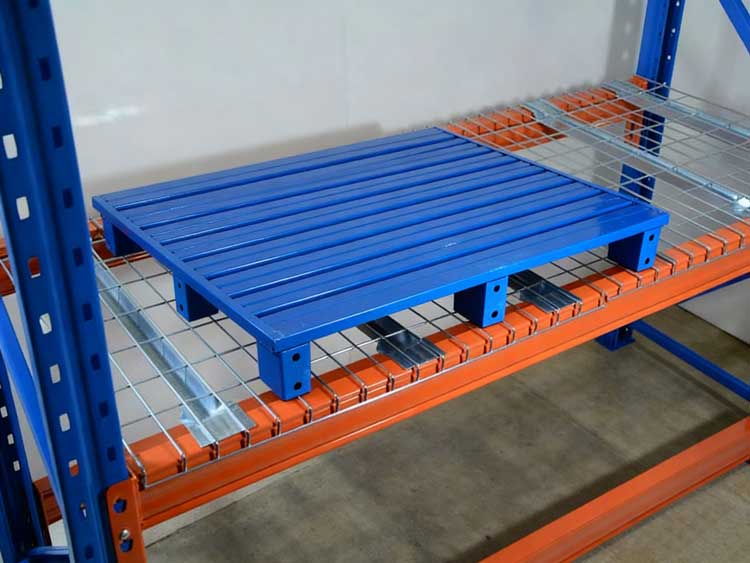
When Should Heavy Duty Steel Pallets Be Used?
1. Heavy Load Handling
Heavy duty steel pallets should be used when load weight exceeds the safe capacity of wood or plastic alternatives. Industries such as:
❈ Machinery manufacturing
❈ Automotive assembly
❈ Metalworking
Frequently rely on steel metal pallets due to their ability to support high static and dynamic loads.
2. High-Temperature Environments
Certain workplaces involve heat exposure from:
❈ Ovens
❈ Furnaces
❈ High-temperature processing zones
Heavy duty steel pallet maintain structural strength under heat, while plastic pallets may melt or warp.
3. Cold Storage or Freezing Conditions
In frozen warehouses or deep-cold storage, moisture can damage wood, and plastic can become brittle. The corrosion-resistant coating on steel metal pallets preserves durability in low temperatures.
4. Sterile and Cleanroom Operations
Food production, pharmaceuticals, and chemical processing require:
❈ Hygiene
❈ Easily sanitized surfaces
❈ Non-absorbent materials
Heavy duty steel pallet are easy to clean and do not absorb liquids or contaminants, making them suitable for controlled environments.
5. Export Shipping With Strict Compliance
Some countries restrict untreated wooden pallets due to pest control concerns. Using steel metal pallets eliminates fumigation requirements and meets international regulations more easily.
6. Outdoor Storage Conditions
For yard storage, heavy duty steel pallet resist:
❈ Rain
❈ UV exposure
❈ Mold
❈ Insects
Galvanized finishes help prevent rust during long-term outdoor placement.
7. High-Frequency Reuse
When pallets must cycle repeatedly through production processes, heavy duty steel pallets offer long-term cost efficiency. They maintain shape and load capacity after thousands of handling cycles.
Advantages of Using Heavy Duty Steel Pallets
Durability
❈ Cracking
❈ Splintering
❈ Chemical exposure
Their structural rigidity supports consistent performance.
Safety
Strength and stability reduce product damage during stacking and handling. Workers benefit from fewer breakage risks.
Sustainability
Steel can be recycled indefinitely. Companies focused on green initiatives benefit from choosing steel metal pallets over single-use materials.
Compatibility With Automation
Automated warehouse systems rely on precise dimensions. Heavy duty steel pallets maintain consistent sizing, ideal for conveyor belts, robotic pickers, and pallet shuttles.
Types of Heavy Duty Steel Pallets
Welded Deck Steel Metal Pallets
Solid welded decks provide a smooth surface for small parts and boxed goods.
Mesh Deck Steel Metal Pallets
Mesh designs allow airflow and drainage. They are commonly used in produce distribution and chemical handling.
Galvanized Steel Metal Pallets
Galvanized coatings prevent corrosion, suitable for wet or outdoor conditions.
Industries That Benefit From Heavy Duty Steel Pallets
Automotive Manufacturing
Engines, transmissions, and metal components require reliable support during handling.
Chemical and Pharmaceutical Production
Corrosion-resistant surfaces protect pallet lifespan and maintain hygiene standards.
Warehousing and Logistics
Steel metal pallets support automated storage systems and high stacking loads.
Construction Materials
Tiles, metals, bags of cement, and stone products require durable pallet platforms.
Maintenance Tips for Heavy Duty Steel Pallets
Keeping steel metal pallets in good condition extends service life:
❈ Clean surfaces regularly to remove dirt and chemical residue
❈ Inspect welds and beams
❈ Apply anti-rust coating when needed
❈ Avoid dragging the pallet on rough surfaces
These small steps help maintain pallet safety.
Cost Considerations
Although steel metal pallets have a higher initial cost, they offer:
❈ Reduced replacement frequency
❈ Lower product damage rates
❈ Better compatibility with automation
Over time, they deliver a strong return on investment.
Safety Guidelines
When using steel metal pallets:
❈ Avoid overloading beyond rated capacity
❈ Ensure forklifts engage fork pockets properly
❈ Stack pallets evenly
❈ Train staff on handling procedures
Following precautions reduces warehouse accidents.
Future Outlook For Heavy Duty Steel Pallets
As automation expands within supply chains, steel metal pallets will be increasingly adopted due to dimensional stability. More manufacturers are developing lightweight versions to reduce transportation costs while maintaining load capacity.
FAQ About Heavy Duty Steel Pallets
Q1: Are steel metal pallets suitable for food contact areas?
A1: Yes. Stainless steel versions can be sanitized regularly and do not absorb contaminants.
Q2: How long do steel metal pallets typically last?
A2: With proper maintenance, steel metal pallets can last many years, even under continuous use.
Q3: Do steel metal pallets rust easily?
A3: Galvanized or coated surfaces reduce rust risk, especially in humid or outdoor environments.
Q4: Are steel metal pallets compatible with automated systems?
A4: Yes. Steel metal pallets maintain consistent dimensions for automated warehouse equipment.
Q5: Can steel metal pallets be recycled?
A5: Steel is highly recyclable, reducing environmental impact and disposal costs.
Conclusion
Steel metal pallets should be used in scenarios that require durability, load strength, hygiene, temperature resistance, and compatibility with automated systems. Their structural performance supports demanding industries and long-term logistics goals.
For assistance in selecting the right steel metal pallets, reach out to our team for tailored recommendations and technical support.