-
 E-mail:
aceally4@aceallygroup.com
E-mail:
aceally4@aceallygroup.com
-
 Wechat: +8618350222213


-

-
Aceally Logistics StorageSaving your time, Creating fortune for you

-
 Time:7/17/2026
 -
 Time:7/15/2026
 -
-
-
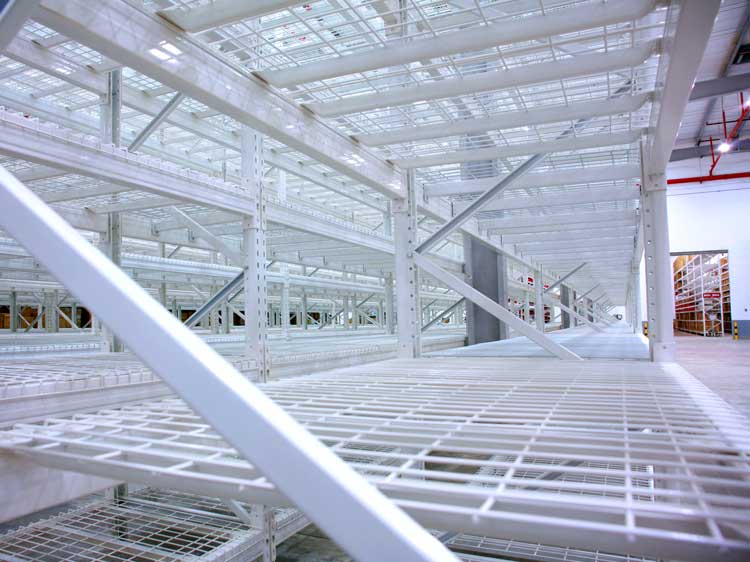 Time:5/22/2026

- CONTACT US
- Wechat: +8618350222213
- aceally4@aceallygroup.com
The comprehensive guide to wire mesh decking: weighing the advantages and limitations
 Time:7/21/2025
 212
212Wire mesh decking has become a cornerstone material across industries—from warehouse storage systems and industrial platforms to architectural safety features and civil engineering projects. Its versatile, grid-like structure offers unique functional benefits but also presents specific challenges. Today, we will examine the nuanced pros and cons of wire mesh decking to inform your material selection process.
The Advantages: Why Wire Mesh Decking Dominates
-
Unmatched Durability & Structural Integrity
Constructed from high-tensile steel wires (often stainless steel grades), wire mesh decking resists deformation under heavy loads. The interlocking or welded design—such as electro-welded wire mesh decking—creates a rigid, stable surface capable of withstanding impacts, vibration, and long-term wear. In landslide prevention systems, stainless steel mesh endures harsh environmental stress without compromising performance.
-
Corrosion Resistance for Longevity
Stainless steel offers exceptional corrosion resistance against moisture, chemicals, and salt. This makes it ideal for coastal installations (e.g., balcony safety mesh), industrial environments, and outdoor applications like mountain slope stabilization. Properly selected wire mesh decking can last decades with minimal degradation.
-
Cost-Effectiveness & Low Maintenance
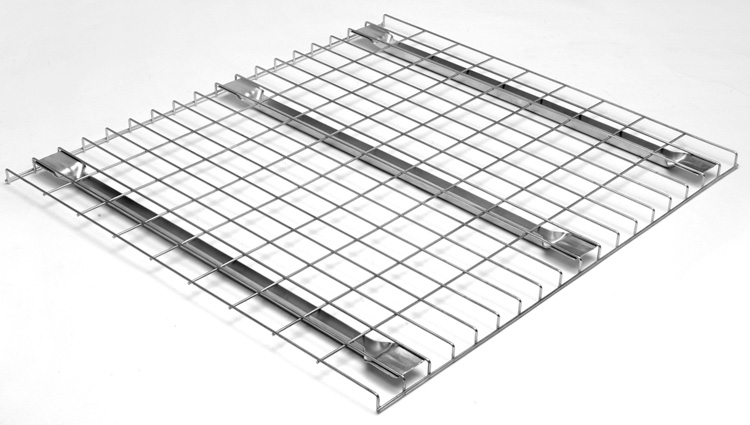
Wire mesh decking is typically more affordable than solid alternatives like steel plate or expanded metal. Its open structure reduces material usage while maintaining strength. Additionally, it requires no painting or sealing and can be cleaned easily with water or mild detergents. This translates to lower lifetime costs—especially in large-scale projects like warehouse mezzanines.
-
Enhanced Safety & Functionality
Fall Prevention: Balcony safety mesh creates a robust barrier that prevents accidents while maintaining visibility.
Debris Containment: In storage racks, it stops small items from falling through.
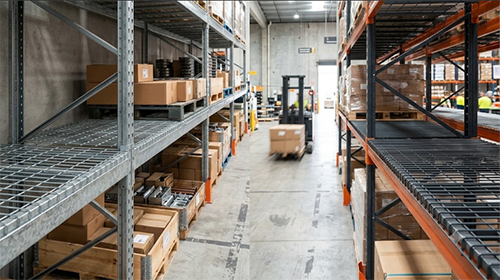
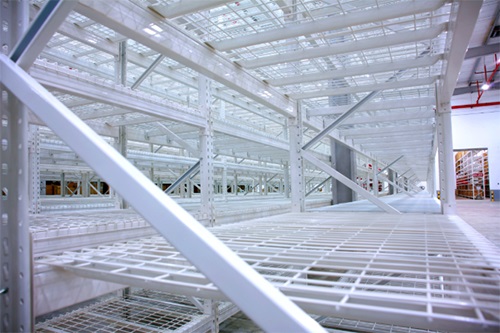
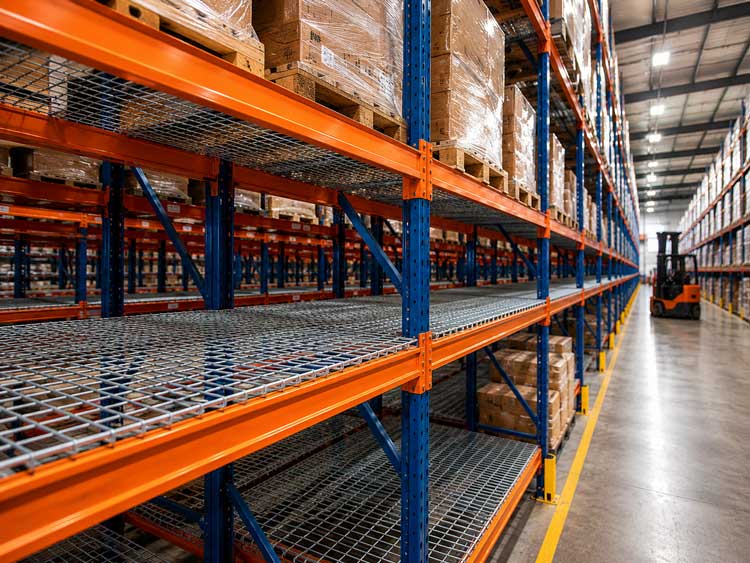
Fire Safety: Unlike solid decks, wire mesh decking allows sprinkler systems to penetrate warehouse storage racks unimpeded.
Slip Resistance: The textured surface provides traction even when wet.
-
Optimal Airflow, Light, and Drainage
The open-weave design enables natural ventilation (critical for storing perishables or chemicals), allows light penetration, and prevents water/powder buildup. In flood-prone areas like landslide zones, this feature prevents soil oversaturation by enabling free water flow.
-
Installation Flexibility
Lightweight compared to solid decks, wire mesh decking can be cut onsite to fit irregular spaces. Hexagonal "chicken wire" variants easily conform to curved surfaces, making them ideal for plaster reinforcement on complex facades.
The Disadvantages: Critical Limitations to Consider
-
Load Capacity Constraints
Wire mesh decking has lower point-load tolerance than solid decks. Heavy, concentrated weights (e.g., machinery parts) can cause sagging or distortion. Fine-mesh variants (e.g., balcony safety infill) prioritize containment over load-bearing, restricting their use in industrial settings.
-
Installation Complexity
Cutting and shaping thicker gauges requires specialized tools (e.g., bolt cutters or angle grinders), and welded edges may need grinding to prevent injuries. Securing mesh decking to supports demands precise alignment to avoid uneven stress distribution.
-
Corrosion Vulnerability in Harsh Environments
While stainless steel resists corrosion, lower-grade galvanized mesh decking can rust when exposed to acids, salt spray, or industrial pollutants. Regular inspections are essential in aggressive environments like chemical plants or coastal zones.
-
Aesthetic and Comfort Limitations
The industrial appearance may clash with architectural aesthetics. Additionally, the grid pattern can be uncomfortable to stand on for extended periods, necessitating anti-fatigue mats in work platforms.
-
Debris Accumulation and Hygiene Concerns
Small-mesh designs can trap dust, crumbs, or granules, complicating cleaning in food/pharma facilities. While larger apertures improve drainage, they may allow tiny items to fall through.
Key Applications vs. Wire Mesh Features
-
Matching Wire Mesh Decking Types to Use Cases
| Application | Recommended Mesh Type | Why It Works |
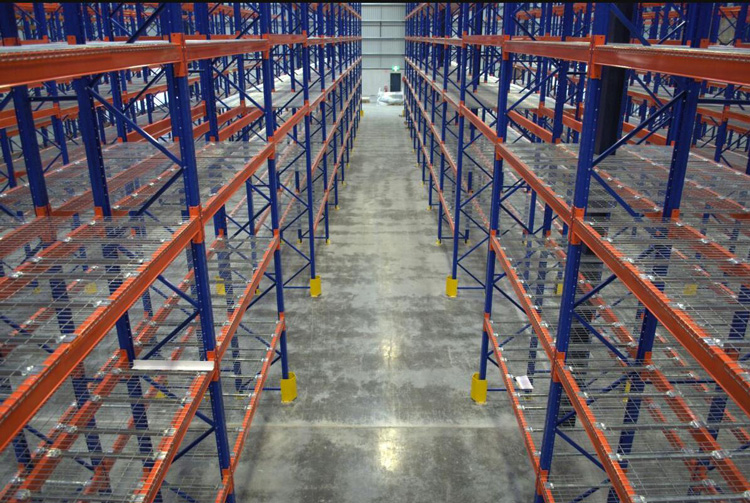
| Warehouse Storage Racking | Electro-welded panels (≥3mm wire) | High load capacity, prevents small items from falling |
| Balcony Safety Barriers | Grade 316 fine infill mesh | Corrosion resistance, child/pet safety, visibility |
| Landslide Prevention | T-316 stainless steel mesh | Withstands soil pressure, allows drainage, resists earth movement |
| Plaster/Stucco Reinforcement | Hexagonal galvanized chicken wire | Flexible, prevents cracking due to thermal expansion |
| Industrial Walkways | Heavy-gauge woven mesh | Slip resistance, ventilation, supports distributed loads |
Strategic Implementation: Best Practices
-
Material Selection Guidelines
Chose Grade 316 stainless steel for coastal, chemical, or high-humidity environments.
Opt for electro-welded wire mesh decking in storage systems requiring rigidity.
Use hexagonal or flexible woven mesh for curved surfaces (e.g., pipelines, sculptures).
-
Installation & Maintenance Tips
Edge Protection: Bind cut edges with trim to prevent snagging.
Support Spacing: Reduce span distances between supports for heavier loads.
Inspection Routine: Check for corrosion, weld integrity, and deformation biannually.
-
Cost-Saving Alternatives
For non-critical applications (e.g., temporary fencing), galvanized steel offers short-term savings. However, invest in stainless steel for permanent installations to avoid replacement costs.
Wire Mesh vs. Alternative Decking Materials
-
Comparative Analysis
| Criteria | Wire Mesh | Solid Steel Plate | Expanded Metal |
| Cost | Low-moderate | High | Moderate |
| Weight | Lightest | Heaviest | Moderate |
| Ventilation | Excellent | None | Good |
| Point Load Support | Moderate | Excellent | Good |
| Corrosion Resistance | High (stainless) | Medium (painted) | Medium (galvanized) |
| Installation Ease | Moderate | Difficult | Moderate |
Real-World Case Studies
- Landslides: T-316 wire mesh stabilized slopes by combining soil retention with drainage, preventing water buildup that triggers erosion.
- High-Rise Balconies (Coastal): Grade 316 fine mesh ensured safety without obstructing ocean views, resisting salt-induced corrosion.
- Mountain Roads: Flat-top wire mesh mitigated rockfalls while allowing vegetation growth, blending functionality with ecology.
Conclusion: Is Wire Mesh Decking Right for You?
Wire mesh decking excels in scenarios demanding ventilation, visibility, corrosion resistance, and cost efficiency. It’s indispensable for safety barriers, drainage-sensitive terrains, and lightweight structures. However, prioritize solid decks or expanded metal for heavy industrial loads or where debris containment is critical.
Audit your project’s requirements—load dynamics, environmental exposure, and functional priorities—before selecting a mesh decking type. When specified correctly, wire mesh decking delivers unparalleled value across engineering and design landscapes.
If you have any warehouse racking and shelving requirements, feel free to contact us.
WhatsApp/Wechat: +8618350222213
Email: aceally4@aceallygroup.com