-
 E-mail:
aceally4@aceallygroup.com
E-mail:
aceally4@aceallygroup.com
-
 Wechat: +8618350222213


-

-
Aceally Logistics StorageSaving your time, Creating fortune for you

-
 Time:7/17/2026
 -
 Time:7/15/2026
 -
-
-
 Time:5/22/2026

- CONTACT US
- Wechat: +8618350222213
- aceally4@aceallygroup.com
How to enhance the stability of the stillage cage
 Time:8/7/2025
 238
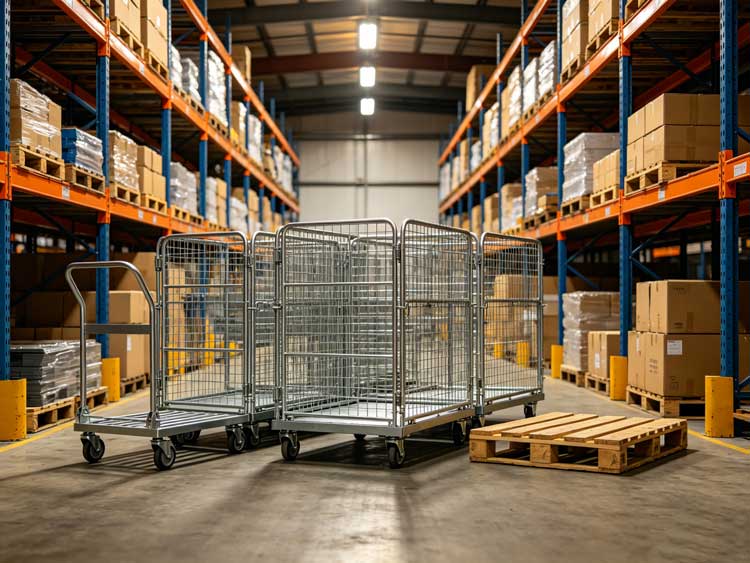
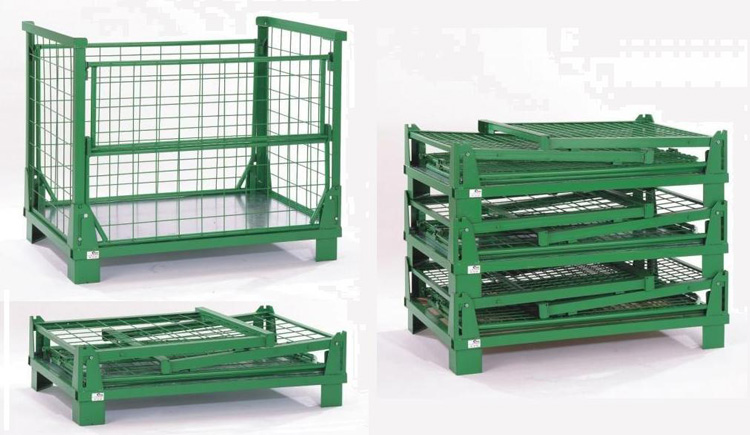
238To enhance the stability of a stillage cage, various design features can be employed in aspects like structure, materials, and connection methods. The details are as follows:
- Structural Design
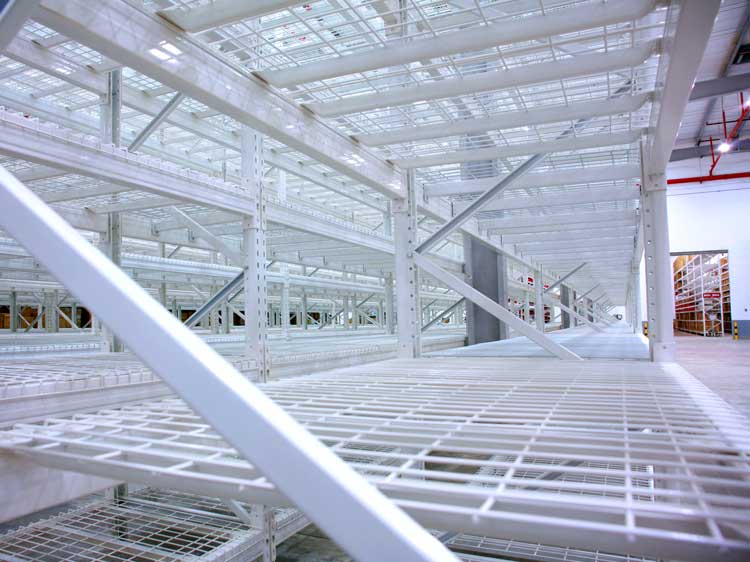
* Inclined Struts and Bracing: Diagonal struts or braces can be added between the vertical and horizontal members of the stillage cage. They can effectively transfer forces and enhance the cage's resistance to deformation and lateral forces, improving overall stability, similar to the way diagonal supports in bridge structures enhance stability.
* Reinforced Corners: The corners of the stillage cage are usually key areas for force transmission. Strengthening the corners with angle steel, thickened plates, or triangular reinforcements can enhance their load-bearing capacity and stability, preventing damage and deformation at the corners.
* Multi-layer Partition Design: For taller stillage cages, adding multi-layer partitions can evenly distribute the weight of the goods, lower the overall center of gravity, and improve stability. Each partition can bear part of the load, reducing the pressure on the overall structure.
- Material Selection
* High-strength Materials: Using high-strength steel or alloy materials can increase the load-bearing capacity and rigidity of the stillage cage. These materials have higher strength and hardness, enabling the cage to withstand greater forces without significant deformation, thus enhancing stability.
* Uniform Material Quality: Ensuring the uniformity of material quality is crucial. Uniform materials can guarantee consistent mechanical properties throughout the stillage cage, avoiding weak points caused by material differences, which could lead to instability.
- Connection and Fixing Methods
* Welding and Bolting: Solid welding connections can provide strong joints, ensuring the integrity of the structure. In addition, using high-strength bolts for connection can also enhance the stability of the structure. The combination of the two connection methods can make the connections between members more reliable, improving the overall stability of the stillage cage.
* Anti-slip and Anti-loosening Design: Adding anti-slip pads or anti-loosening washers at the connection points can prevent the connections from loosening due to vibrations and other factors, ensuring the stability of the structure during use.
- Bottom Design
* Wide Base: A wider base can increase the contact area with the ground, providing a more stable support. This design reduces the risk of tipping by distributing the weight of the cage and its contents over a larger area.
* Non-slip Feet: Installing non-slip feet at the bottom of the stillage cage can increase the friction with the ground, preventing the cage from sliding or moving accidentally, especially important in environments where the ground may be smooth or subject to vibrations.
- Overall Shape Design
* Symmetrical Structure: Designing the stillage cage with a symmetrical shape can ensure an even distribution of weight and force, making it more stable. Symmetry helps the cage to better withstand external forces from all directions without being prone to tilting or losing balance.
* Rounded Corners and Edges: Rounding the corners and edges of the stillage cage can reduce stress concentration points, making the force transfer more uniform. This design helps to enhance the stability of the structure and also reduces the risk of damage and deformation caused by sharp corners.