-
 E-mail:
aceally4@aceallygroup.com
E-mail:
aceally4@aceallygroup.com
-
 Wechat: +8618350222213


-

-
Aceally Logistics StorageSaving your time, Creating fortune for you

-
 Time:7/17/2026
 -
 Time:7/15/2026
 -
-
-
 Time:5/22/2026

- CONTACT US
- Wechat: +8618350222213
- aceally4@aceallygroup.com
Types of Wire Mesh Decking: Standard, Flared, Waterfall & More
 Time:12/18/2025
 188
188Wire mesh decking is a key safety and load-support component in pallet racking systems. While it may appear to be a standard accessory, wire mesh decking is available in multiple configurations designed to fit different beam types, load requirements, and warehouse applications.
This guide explains the most common wire mesh decking types, how they differ, and when each should be used.
What Is Wire Mesh Decking?
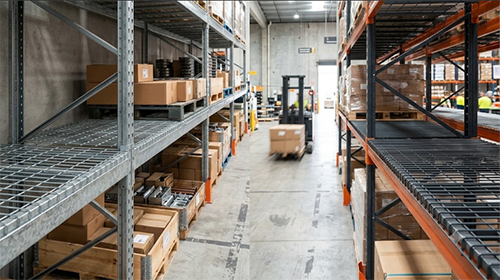
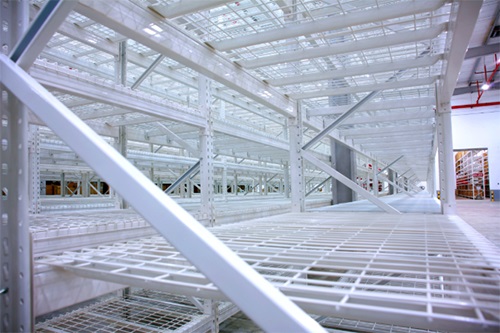
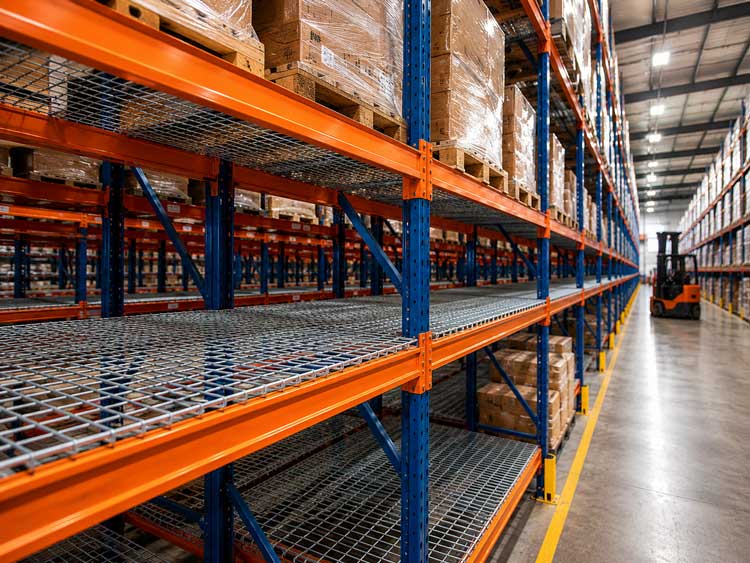
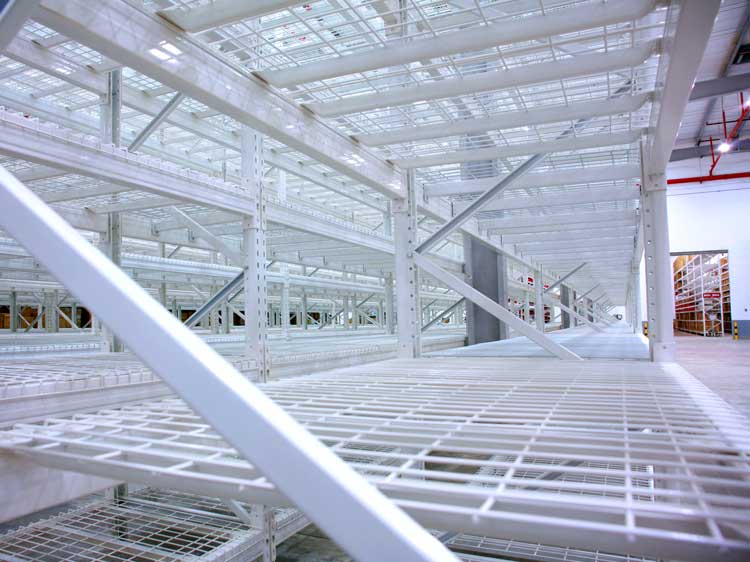
Wire mesh decking consists of welded steel wire panels supported by reinforced channels that sit directly on pallet rack beams. It provides stable load support while allowing airflow, visibility, and fire sprinkler water penetration.
Wire mesh decking is widely used in selective pallet racking, carton flow racks, and shelving systems.
Why Decking Type Matters
Choosing the correct wire mesh decking type affects:
- Load distribution and rack safety
- Compatibility with beam profiles
- Fire code compliance
- Ease of installation and future reconfiguration
Using the wrong decking type can lead to instability, poor fit, or reduced load capacity.

Standard Wire Mesh Decking
Standard wire mesh decking features straight support channels that sit directly on top of pallet rack beams.
Key Characteristics
- Flat channel design
- Commonly used with box beams
- Easy installation and replacement
- Cost-effective option
Applications
- Light to medium pallet loads
- Uniform pallet sizes
- General warehouse storage
Flared Channel Wire Mesh Decking
Flared channel decking uses outward-angled channels that rest securely on step beams without additional clips.
Key Characteristics
- Flared channel ends
- Designed specifically for step beams
- Improved stability without fasteners
- Faster installation
Applications
- Selective pallet racking with step beams
- High-volume distribution centers
- Facilities requiring quick system changes
Waterfall Wire Mesh Decking
Waterfall decking includes extended wire mesh edges that “waterfall” over the front and rear beams.
Key Characteristics
- Enhanced load retention
- Prevents cartons from sliding off beams
- Added safety at pick faces
Applications
- Carton storage
- Order picking areas
- Mixed SKU environments
Outside Waterfall: Waterfall drops outside the beam, providing additional product stop protection and ideal for loose cartons and manual picking.
Heavy-Duty Wire Mesh Decking
Heavy-duty decking uses thicker wire gauge and additional support channels to handle higher loads.
Key Characteristics
- Increased load capacity
- Reinforced channel design
- Suitable for dense or heavy pallets
Applications
- Industrial warehouses
- Manufacturing facilities
- High-weight pallet storage
Reverse Waterfall Wire Mesh Decking
Reverse waterfall decking places the waterfall at the rear of the rack, preventing pallets from being pushed too far back.
Key Characteristics
- Rear load stop function
- Improves rack safety
- Reduces risk of pallet overhang
Applications
- Back-to-back racking
- Narrow aisle systems
- Facilities with forklift-only loading
Galvanized vs. Powder-Coated Decking
Galvanized Decking
- Superior corrosion resistance
- Suitable for cold storage or high-humidity environments
Powder-Coated Decking
- Clean appearance
- Cost-effective for dry indoor warehouses
How to Choose the Right Wire Mesh Decking Type
When selecting wire mesh decking, consider:
- Rack beam type (step beam or box beam)
- Pallet weight and load distribution
- Storage method (palletized or carton)
- Fire safety and code requirements
- Environmental conditions
Consulting a racking specialist ensures compatibility and compliance.
Conclusion
Wire mesh decking is not a one-size-fits-all solution. Standard, flared, waterfall, and heavy-duty configurations each serve specific purposes. Selecting the correct type improves safety, load stability, and long-term performance of your pallet racking system.
Need Help Selecting the Right Wire Mesh Decking?
Our team provides professional guidance on wire mesh decking selection, load ratings, and rack compatibility. Contact us today for customized recommendations based on your warehouse layout and operational needs.